
The rabbit hole deepens…. As I’ve become a fan of re-stickering my cubes with higher-quality, high-brightness stickers from Cubesmith, I haven’t wanted to add the Cubesmith logo to my cubes. Maybe it’s just me, but I’m generally not a fan of branding/logos. Leave the horsey off my “polo” shirts, please…. Same with my cubes, I suppose. That means that the white faces of my re-stickered cubes are ALL white, without that contrasting, easy to pick out center cubie — which means more hunting during inspection.
Wouldn’t it be cool, I thought, if I could create my own custom center logos? Turns out, Cubesmith once offered a custom logo printing service, but no longer does. There are some Youtube tutorials on how to create your own using tape, laser printer toner, etc. I tried those methods; they don’t work. Printing on clear mailing labels does sort of work, but the toner wears off quickly and it’s hard to shape the labels perfectly.
So, I’ve decided to order commercial custom stickers. I have some leads on sticker houses that can do stickers this small for relatively inexpensive rates (between $25-$50 for a good amount of the stickers). While I continue to search for exactly the right vendor, I mocked up a handful of logos. The “G” comes from my last name.


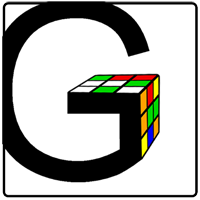

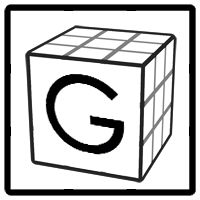


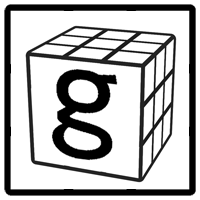

I have a couple favorites in the group, depending on if I do single color or full-color. In the meanwhile, here are a couple of them printed out on clear mailing labels:


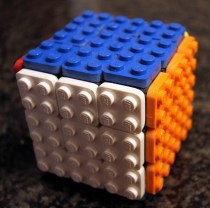 There was no toy I enjoyed more as a kid than my Legos. I remember the exact drawer in which we stored them and have vivid memories of building a two-story house with my Dad, with shutters that we would open and close each morning and evening. In the world before cable TV and the internet and iPads and computers, I had Lego (and Brio) — and that was all I needed.
 adventures in cubing